When you start planning a house roof, one of the most important decisions you will make is choosing the right rafter size. Among the many options, 2×8 roof rafters are one of the most commonly used in residential construction.
They offer a solid balance between strength, cost, and flexibility, making them a popular choice for many homeowners and builders.
Let’s break this down simply so you can clearly understand how they work and why they matter in your roof structure.
Understanding the Structure of 2×8 Roof Rafters
To use 2×8 rafters properly, you need to understand what they are made of and how they fit into the roof system.
Dimensions and material basics
Even though they are called “2×8”, the actual size is slightly smaller due to finishing.
- Actual size: 1.5 inches x 7.25 inches
- Length varies based on roof design
These rafters are usually made from strong softwoods such as:
- Pine
- Fir
- Cedar
Each type has its own strength level, but all are commonly used in residential construction.
Pine and fir are the most common because they are affordable and strong enough for most homes.
Role in the roof framing system
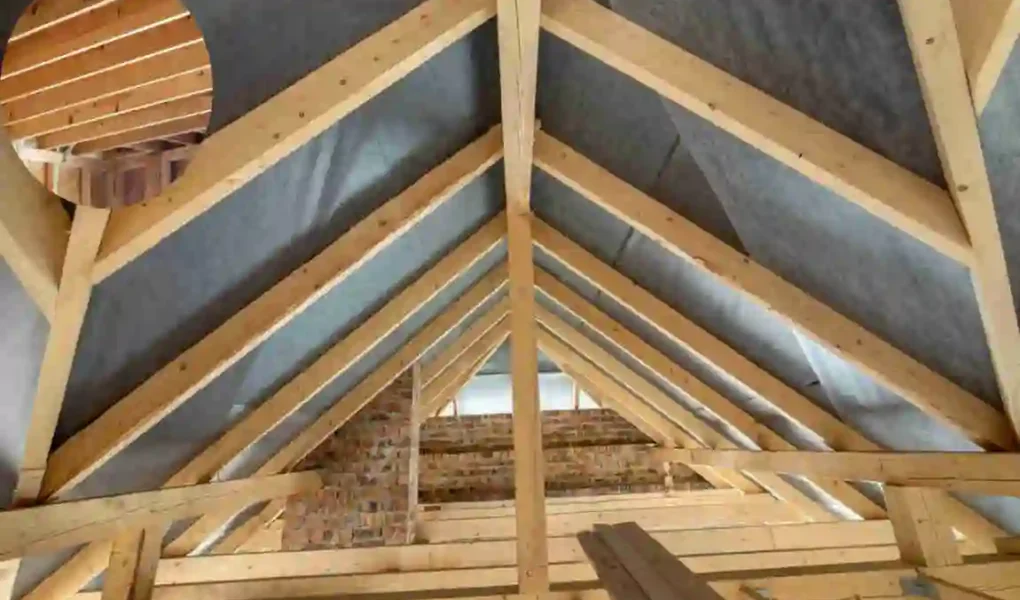
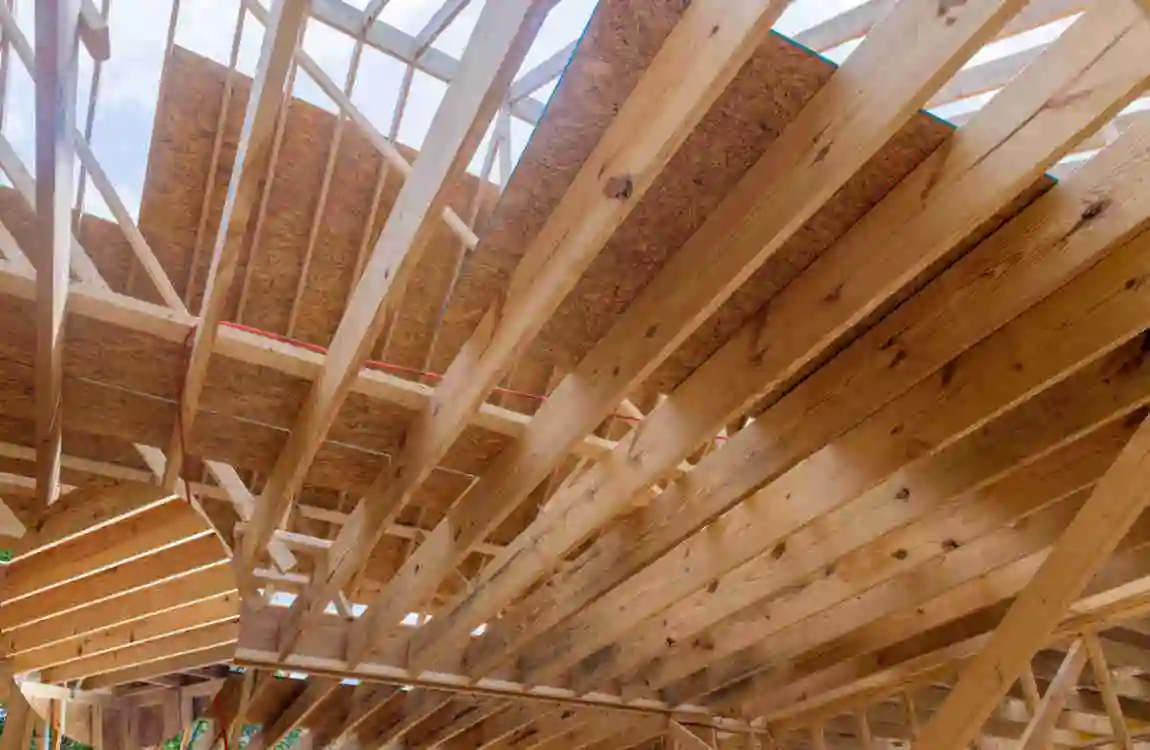
2×8 rafters do not work alone. They are part of a full roof system.
They connect with:
- Ridge board at the top (center beam of the roof)
- Wall plates at the bottom (top of the walls)
- Ceiling joists for extra support
Together, these parts form a strong triangular shape, which is naturally very stable.
If one part is weak or poorly installed, the entire roof can become unstable. That’s why proper installation matters so much.
Load Capacity of 2×8 Roof Rafters
Understanding load is one of the most important parts of roof design.
Let’s simplify it so you can understand it easily.
What affects load-bearing strength?
Several factors decide how much weight 2×8 roof rafters can safely carry:
- Length of the span (how far the rafter stretches)
- Type and quality of wood
- Roof design and slope (pitch)
- Weather conditions like snow or wind
- Spacing between rafters
If any of these factors increase stress, the rafter must work harder.
Live load vs dead load explained.
There are two main types of load your roof carries:
Dead load:
- Weight of roofing materials
- Wood structure itself
- Permanent fixtures
Live load:
- Snow buildup
- Wind pressure
- Maintenance workers or temporary weight
Live load is more unpredictable, so it is very important for safety planning.
Maximum load expectations for 2×8 rafters
In general, 2×8 roof rafters perform well for:
- Short to medium spans
- Standard residential roofs
- Moderate weather conditions
However, their exact load capacity depends on local building codes. That’s why builders always check regulations before final construction.
You should never guess load capacity—it must always be calculated properly.
Span Limits of 2×8 Roof Rafters
Span means how far a rafter can stretch without support.
Understanding rafter span charts
Span charts are guides builders use to determine safe rafter lengths.
They help answer:
- How far can a 2×8 safely stretch?
- What spacing is safe?
- What load conditions apply?
These charts prevent structural failure and ensure safety.
Typical span range for 2×8 rafters
In general conditions:
- Light load: longer span possible
- Heavy load: shorter span required
Spacing also plays a big role:
- Closer spacing = stronger roof
- Wider spacing = reduced capacity
So, you must always balance span and spacing carefully.
Real-world examples of span usage
You will commonly see 2×8 rafters used in:
- Small residential houses
- Simple roof extensions
- Garages and storage sheds
They are not usually used for very large buildings unless reinforced.
Spacing Guidelines for 2×8 Roof Rafters
Spacing is another key factor that affects roof strength.
Standard spacing options
Builders typically use three spacing methods:
- 12 inches on center (OC) → Very strong support
- 16 inches OC → Most common in homes
- 24 inches OC → Only for light loads
The most balanced option is usually 16 inches OC.
How spacing impacts roof strength
Think of spacing like how close people stand in a line.
- Closer spacing = more support
- Wider spacing = more stress on each rafter
When rafters are closer together, they share the load evenly. This makes the roof stronger and more stable.
Choosing the right spacing for your project
When deciding spacing, consider:
- Local climate (snow or heavy wind areas need tighter spacing)
- Roofing material weight
- Building regulations
If you are unsure, always choose safer, tighter spacing.
Structural Design Tips for Using 2×8 Roof Rafters
Good design ensures long-term safety and stability.
Proper installation techniques
To install rafters correctly:
- Align each rafter carefully
- Use strong nails or metal fasteners
- Maintain equal spacing
- Ensure proper angle alignment
Small mistakes can create big structural problems later.
Importance of bracing and support
Bracing adds extra strength to your roof.
Common supports include:
- Collar ties (upper reinforcement)
- Ridge support beams
- Horizontal ties between rafters
These prevent movement and sagging.
Avoiding common construction mistakes
Be careful to avoid:
- Over-spanning rafters beyond safe limits
- Using poor-quality wood
- Incorrect spacing
- Weak connections at joints
These mistakes can significantly shorten the roof’s lifespan.
Roof Pitch and Its Effect on 2×8 Rafters
Roof pitch is the steepness of your roof.
What is roof pitch?
Roof pitch is the angle of your roof slope.
- Low pitch = flat-looking roof
- High pitch = steep roof
It affects how water and snow move off the roof.
How pitch affects load distribution
Steeper roofs help reduce pressure because:
- Snow slides off easily
- Water drains faster
- Less weight builds up
Flat or low-pitch roofs hold more load, increasing stress on rafters.
Recommended pitch for 2×8 rafters
For safety and performance:
- Medium pitch is usually best
- Very flat roofs require a stronger design
- Very steep roofs reduce load but need more bracing
Always match pitch with load expectations.
Material Selection for 2×8 Roof Rafters
Good materials mean longer life.
Best wood types for durability
Common choices include:
- Pine: affordable and widely used
- First: strong and stable
- Cedar: naturally resistant to moisture
Each has strengths depending on your needs.
Treated vs untreated lumber
- Treated wood resists moisture and insects
- Untreated wood is cheaper but less durable
For outdoor roofs, treated wood is often safer.
Quality grading of lumber
Always look for structural-grade wood.
Good lumber:
- Has fewer knots
- Is straight and strong
- Meets building standards
Poor-quality wood can weaken your roof over time.
Reinforcement Techniques for 2×8 Roof Rafters
Sometimes extra strength is needed.
Adding support beams
Support beams, such as ridge beams or purlins, help distribute weight evenly.
They reduce stress on individual rafters.
Sistering rafters for strength
Sistering means attaching another board alongside an existing rafter.
This helps:
- Increase strength
- Fix weak rafters
- Improve load capacity
Using metal connectors and brackets
Metal connectors improve joint strength.
They:
- Prevent movement
- Strengthen joints
- Improve long-term durability
Common Problems with 2×8 Roof Rafters
Even strong materials can face issues.
Sagging and deflection issues
This happens when:
- Span is too long
- The load is too heavy
- Wood is weak
It can cause visible roof dips.
Overloading problems
Too much weight can lead to:
- Cracks
- Structural stress
- Roof failure in extreme cases
Moisture and weather damage
Moisture can cause:
- Rot
- Warping
- Weakening of wood
Proper sealing and ventilation help prevent this.
Safety Standards and Building Codes
Safety should always come first.
Why building codes matter
Building codes ensure:
- Structural safety
- Legal compliance
- Long-term durability
Ignoring them can be dangerous.
Regional differences in rafter requirements
Different areas have different needs:
- Snowy regions need stronger rafters
- Windy areas need better bracing
- Hot climates focus on ventilation
Consulting structural engineers
For complex projects, always consult an expert.
They help ensure:
- Safe design
- Proper load calculations
- Code compliance
2×8 Roof Rafters in Modern Home Construction
These rafters are still widely used today.
Where they are commonly used today
You will see them in:
- Residential homes
- Garages
- Porches and extensions
Comparison with 2×6 and 2×10 rafters
- 2×6: cheaper but weaker
- 2×8: balanced option
- 2×10: stronger but more expensive
So 2×8 is often the middle-ground solution.
Future trends in roof framing
Modern construction is moving toward:
- Engineered wood products
- Prefabricated roof systems
- Lightweight but strong materials
Still, traditional lumber like 2×8 remains very popular.
Maintenance Tips for Roof Rafters
Good maintenance increases roof life.
Regular inspection checklist
Check your roof for:
- Cracks in wood
- Moisture or stains
- Sagging areas
Early detection prevents bigger problems.
Preventing long-term damage
To protect rafters:
- Ensure proper ventilation
- Keep the roof dry
- Prevent pest infestation
Small care steps make a big difference.
FAQs About 2×8 Roof Rafters
How far can 2×8 roof rafters span safely?
It depends on load, spacing, and wood type, but they are typically used for medium spans in residential homes.
Are 2×8 rafters strong enough for residential roofs?
Yes, they are commonly used in homes when properly designed and spaced.
What spacing is best for 2×8 rafters?
16 inches on center is the most common and balanced option.
Can 2×8 rafters support heavy roofing materials?
Yes, but only if spacing and span are properly calculated.
Do I need engineering approval for 2×8 rafters?
For larger or complex roofs, professional approval is strongly recommended.
Related Posts