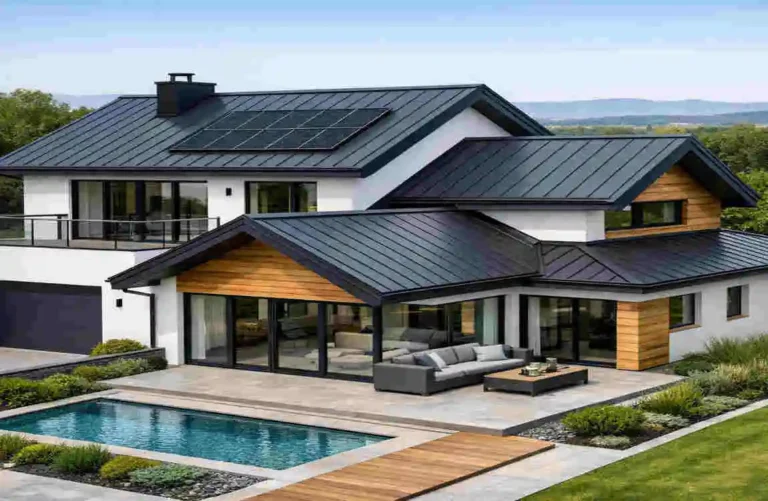
Metal roofing is no longer just for warehouses or farm buildings. In 2026, more homeowners are choosing it for modern houses because it looks clean, lasts a long time, and handles harsh weather very well. If you live in a place with strong sun, heavy rain, or seasonal storms, this type of roof can make a lot of sense.
One question comes up again and again during roof planning: how wide are metal roofing panels? It sounds like a simple question, but the answer affects much more than people expect. Panel width changes how the roof is installed, how much material you need, how many seams appear on the roof, and even how well the roof performs over time.
That matters a lot for homeowners who want a roof that is both practical and attractive. In cities like Lahore, where the weather can shift fast and the monsoon season can bring serious rain, roof performance is not something you want to guess about. The right panel width can improve water shedding, reduce installation problems, and help the roof last longer with less maintenance.
It also affects cost. Wider panels can sometimes save installation time because there are fewer seams. Narrower panels can offer more flexibility on certain roof shapes. So if you are planning a roof upgrade, the width of each panel is one of the first things you should understand.
| Panel Type | Overall Width (inches) | Coverage Width (inches) | Best House Use |
|---|---|---|---|
| Standing Seam | 12-24 | 10-18 | Modern, sleek residential roofs |
| Corrugated | 24-36 | 18-32 | Budget-friendly homes, sheds |
| Exposed Fastener | 36-48 | 32-42 | Large homes, faster installs |
| R-Panel/PBR | 36 | 34-36 | Durable, sloped house roofs |
What Are Metal Roofing Panels?
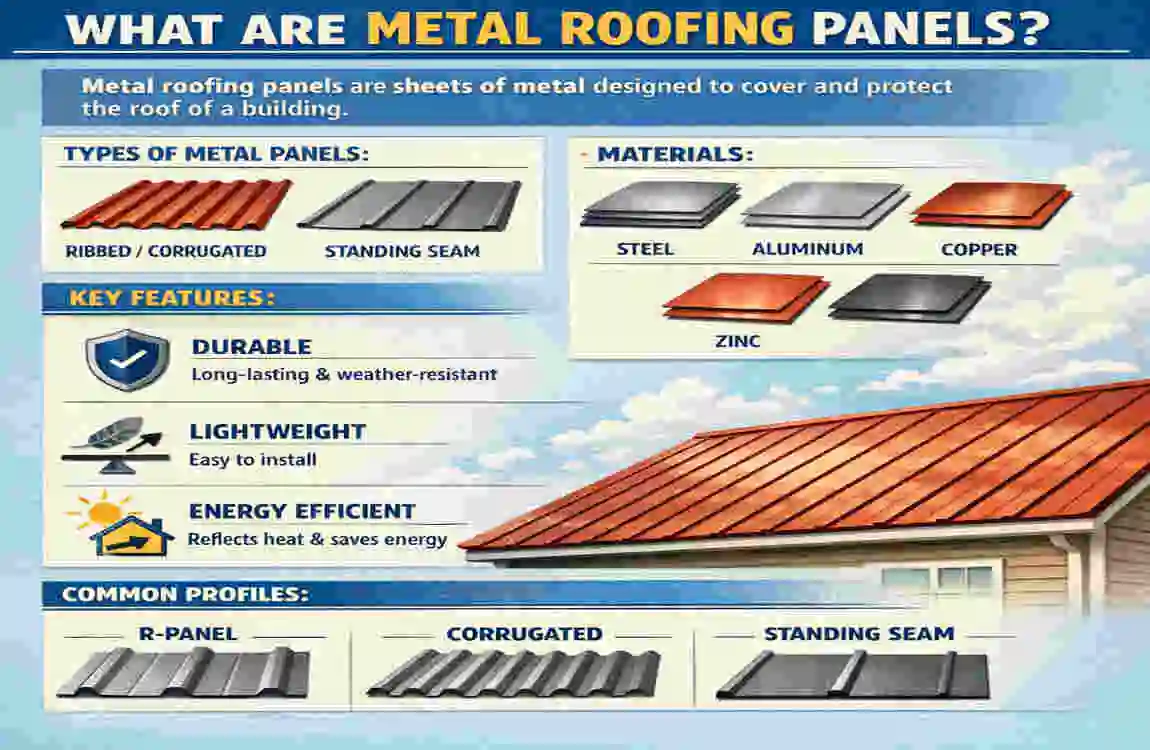
Metal roofing panels are large sheets of metal that are shaped and cut for roof installation. They usually come in steel, aluminium, or copper, and each material has its own strengths.
These panels are used to cover the roof surface in a continuous layer. They are made to overlap or lock together so water cannot easily pass through the joints. That makes them a strong choice for homes that need weather resistance, long life, and a neat appearance.
Common Types of Metal Roofing Panels
There are a few main styles you will see in residential roofing:
Standing Seam Panels
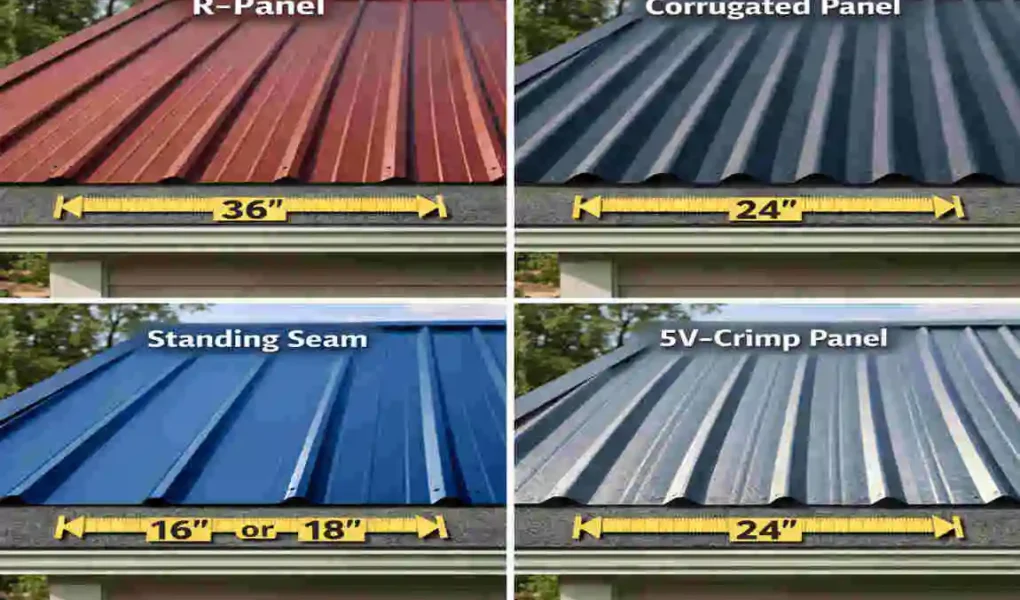
Standing seam panels are a popular modern choice. They have raised seams that connect the panels and hide the fasteners. This gives the roof a clean, sleek look.
They are often used on contemporary homes because they look polished and perform well in the rain. Since the fasteners are hidden, they are less exposed to the weather.
Corrugated Panels
Corrugated panels have a wavy pattern. They are lightweight, affordable, and easy to identify. They are often used on budget-friendly homes, sheds, or simple roof designs.
They can still work very well on houses, especially when the homeowner wants durability without a high price tag.
Exposed Fastener Panels
These panels are fixed with screws that stay visible on the surface. They are often wider and are common on large roofs or practical residential builds.
They are usually easier and faster to install, which makes them a good option for homeowners who want a straightforward roof system.
Why Size Matters So Much
A lot of people focus on colour or finish first, but panel size matters just as much. The wrong width can lead to excess waste, poor overlaps, or inadequate water protection.
Understanding panel width also helps you avoid one of the most common DIY mistakes: buying the wrong amount of material. If you know the size of each panel before you start, you can plan better and save money.
Standard Widths of Metal Roofing Panels
So, how wide are metal roofing panels in a typical home project? The answer depends on the panel style, but there are some very common width ranges you will see again and again.
Most residential panels come in 24, 30, 36, or 48 inches overall width. However, the width you can actually use after overlaps is smaller. That exposed portion is called the coverage width.
For most homes, 36-inch panels are one of the most common choices because they balance speed, coverage, and ease of installation. They usually create fewer seams than smaller panels, which can help the roof look cleaner and perform better.
Typical Panel Width Ranges
Here is a simple comparison of common panel types and widths:
Panel Type Overall Width (inches)Coverage Width (inches)Best for Houses
Corrugated 24-36 18-32 Budget homes
Standing Seam 12-20 10-18 Modern designs
Exposed Fastener 36-48 32-42 Large roofs
Why 36-Inch Panels Are So Common
The 36-inch size is often considered the sweet spot for many home roofs. It is wide enough to cover space quickly, but not so wide that it becomes hard to handle.
That matters during installation. A panel that is too wide can be harder to move, align, and secure. A panel that is too narrow can slow the job down and create more seams.
For many homeowners, 36-inch panels offer a strong balance between efficiency, appearance, and protection.
Residential vs Commercial Use
Commercial buildings often use wider sheets because roof spans are larger and the design is usually simpler. Houses, however, often have more shape changes, slopes, hips, valleys, and decorative lines.
That is why residential roofing often favours slightly different widths. Home roofs need more flexibility and a better fit around corners, ridges, and transitions.
If you are asking how wide metal roofing panels should be for your house, the answer is almost always determined by the roof design, not just the panel’s raw size.
Factors Influencing Panel Widths
Panel width is not chosen randomly. It depends on the roof structure, the climate, and the material used. Let us break down the main factors that influence the final decision.
Overlap Requirements
All metal roofing panels need overlap. That overlap helps keep rain, wind, and dust from getting under the sheets.
In many systems, each panel overlaps the next one by 1 to 2 inches on each side. That means the actual width of the sheet is not the same as the amount of roof it covers.
This is one of the reasons homeowners sometimes miscalculate how much material they need. They see a 36-inch panel and assume it covers exactly 36 inches. In reality, the usable coverage is smaller.
Roof Pitch
The roof slope matters a lot. A steeper roof allows water to run off quickly, so the panels may not need to work as hard against standing moisture. A lower-slope roof needs more careful overlap and sealing.
For steep roofs, wider panels can work very well because water moves off quickly. For low-slope roofs, careful panel selection and proper sealing become even more important.
If your roof has a complicated pitch, a roofing professional will usually recommend the panel width that best handles water flow.
House Size and Roof Shape
A small house with a simple roof may do fine with narrower panels. A large house with wide roof planes may benefit from broader panels that reduce the number of seams.
Hips, valleys, dormers, and roof edges can also influence the best width. More complex shapes often need more custom planning.
Gauge Thickness and Strength
Panel width is only part of the story. Thickness, also called gauge, matters too. Common residential metal roofing gauges are usually in the 24 to 29 range.
A thicker panel may feel stronger and resist wind better, but it can also be heavier and more expensive. Width and gauge should work together.
If you use a wide panel in a windy area, make sure the thickness and fastening system can withstand the pressure. That is especially important in places with strong seasonal winds or heavy rain.
Climate and Regional Standards
In humid places, corrosion resistance becomes very important. In Pakistan, for example, homeowners often want roofing that can handle moisture, heat, and long rainy periods.
That means the best width is not just about convenience. It also needs to suit the local weather. A panel that looks good on paper may not be the best choice if it does not hold up well in the climate.
Coverage Width vs Actual Width
This is one of the most important ideas in the whole article. If you only remember one thing, remember this: actual width is not the same as coverage width.
What Actual Width Means
Actual width is the full physical size of the sheet from one edge to the other. If a sheet is sold as 36 inches wide, that is the total size of the metal sheet.
But you do not see the full 36 inches once it is installed, because part of that sheet overlaps with the panel beside it.
What Coverage Width Means
Coverage width is the part of the panel that stays visible and exposed after installation. This is the width that actually covers the roof.
For example, a 36-inch panel might only cover 32 to 34 inches once overlap is included. That is normal. The overlap keeps the roof watertight.
Why This Matters for Planning
If you calculate your roof using actual width instead of coverage width, you will buy too little material. That can lead to delays, extra shipping, or a roof section that does not finish properly.
It can also create uneven seams. When panels are not measured correctly, the final layout may look sloppy and may even leak.
So when asking how wide metal roofing panels are, always ask the supplier or installer about the coverage width, not just the sheet size.
Choosing the Right Width for Your House
Choosing the right panel width doesn’t need to be complicated. You need to follow a simple process and think through the shape of your roof.
Measure Roof Square Footage
Start by measuring the roof area in square feet. You can get a rough estimate by measuring the length and width of each roof section.
If your roof is simple and rectangular, the math is easy. If it has multiple slopes or sections, measure each one separately and add them together.
Account for Hips and Valleys
A roof with hips and valleys usually needs more cutting and more waste. That means you should order extra material to stay on the safe side.
If your roof has many angles, a narrower panel might offer greater flexibility during installation.
Use Coverage Width in the Math
Let us say a panel has a coverage width of 34 inches. If you need to cover 100 square feet, you must calculate based on the actual exposed coverage, not the total panel size.
This is where many homeowners get tripped up. A professional installer will always use the coverage width when estimating the number of sheets needed.
Match the Width to the Roof Style
Different roof styles work better with different widths:
Wider Panels Work Best When:
- You want faster installation
- The roof is large and simple
- You want fewer visible seams
- Waterproofing is a top priority
Narrower Panels Work Best When:
- The roof has curves or complex shapes
- You want easier handling
- The design includes many cuts or details
- You are working on a small section of the roof
Best Widths for Different House Styles
Steep roofs often look very good with 36-inch panels, because they give good coverage and a clean appearance. Smaller homes may do well with narrower panels if the roof has lots of angles. Large, modern homes often benefit from wider panels, which create a more seamless look.
For Lahore homes facing monsoon weather, wider panels can be especially useful when the design allows it, because fewer seams can mean fewer places for water to cause trouble.
Installation Tips for Optimal Width Use
Even the best panel width will fail if it is installed badly. Proper installation is just as important as choosing the right size.
Prepare the Roof Properly
Before any panels are installed, the roof deck should be carefully checked. It must be solid, dry, and level enough to hold the metal sheets without movement.
If the base is weak, the panels can loosen over time or allow moisture to get inside. That is why prep work matters.
Align Panels Carefully
When the panels are installed, each panel must align evenly with the next. If the overlap is uneven, you may end up with gaps, buckling, or visible ripples.
This is especially important on wide panels. A small mistake becomes more noticeable when the sheet covers a larger area.
Use the Right Fastening System
Standing seam panels usually use clips, while exposed fastener panels use visible screws. The fastening method must match the panel type.
Do not force one panel type to work like another. Use the correct hardware and follow the manufacturer’s instructions closely.
Allow for Expansion
Metal expands and contracts as the temperature changes. That means the roof needs a little room to move.
If you ignore expansion gaps, the panels can warp or pull against the fasteners. That can shorten the roof’s lifespan and cause noisy movement during hot weather.
DIY or Professional Help?
If you are only covering a small section of the roof and have roofing experience, a DIY approach may work. But for a full house, it is usually better to hire a professional.
Metal roofing is forgiving in some ways, but it still demands accuracy. A skilled installer can help you choose the right width, avoid waste, and protect your home from leaks.
Tools You May Need
If you are doing a small project yourself, you may need:
- Measuring tape
- Roof safety harness
- Screw gun
- Chalk line
- Tin snips or a metal cutter
- Sealant and flashing tools
Safety should always come first. Metal roofs are slippery, and a single misstep can cause serious injury.
Cost Breakdown by Panel Width
Width affects cost in two different ways. First, it affects how much material you need. Second, it affects how long the installation takes.
Material Cost
Most metal roofing panels cost around $2 to $5 per square foot, depending on the material, finish, and supplier.
Wider panels can reduce labour time because installers cover more surface area per sheet. That can lower labour costs even if material prices remain similar.
Wider Panels Can Save Time
A 36-inch panel often saves roughly 20% of installation time compared with narrower panels on the same roof. That is because fewer sheets need to be handled and secured.
On a large roof, that time difference can become a real cost advantage. If labour is expensive in your area, width can make a noticeable difference in the final bill.
Long-Term Savings
A well-installed metal roof can last up to 50 years or more in the right conditions. That longevity often makes the upfront cost easier to justify.
If your roof lasts decades with low maintenance, the value becomes much clearer. This is one reason metal roofing continues to grow in popularity.
Benefits of Correct Panel Sizing for Houses
Getting the width right is about more than looks. It improves the overall performance of the roof.
Better Energy Efficiency
Metal roofing reflects sunlight well, especially when it has a light or reflective finish. That can help reduce heat buildup inside the house.
In hot weather, that may lower air conditioning use and improve indoor comfort. In places with strong summer sun, this benefit can be very important.
Lower Maintenance
Correctly sized panels with proper overlaps are less likely to leak. They also tend to stay more stable in wind and rain.
That means fewer repairs, fewer headaches, and less time worrying about roof damage.
Higher Home Value
A good metal roof can improve curb appeal and buyer confidence. Homeowners often see it as a Premium feature because it looks neat and lasts a long time.
In search terms, interest in the width of metal roofing panels rises when people are researching eco-friendly homes and future-ready upgrades. That is because metal roofs fit modern expectations for durability and efficiency.
Better Weather Protection
In a place with monsoon rains, every seam matters. The right width gives the installer room to create proper overlaps and water flow.
That can be the difference between a roof that looks good and a roof that truly protects the home.
Metal Roofing Trends
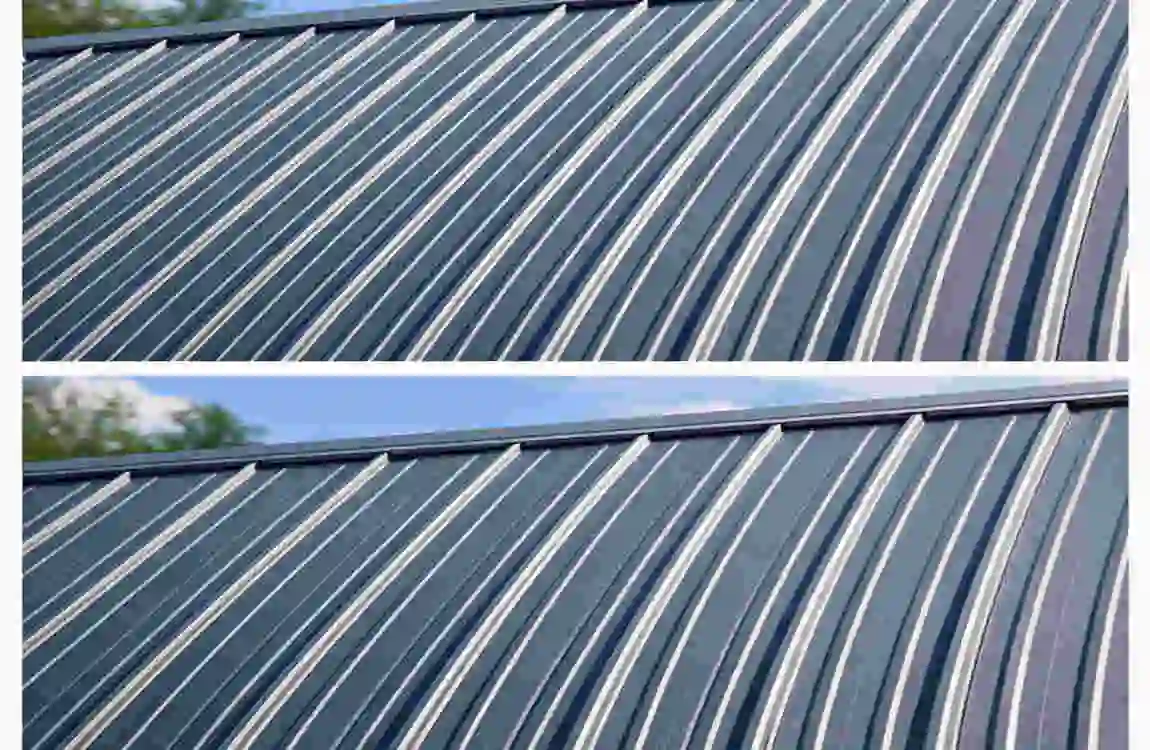
Roofing in 2026 is not just about coverage. It is also about design, energy performance, and compatibility with modern living.
Colored Panels Are In Demand
Homeowners are moving beyond plain silver or grey. Matte black, forest green, warm bronze, and deep charcoal are becoming very popular.
These colours help homes look more current and Premium while still keeping the strength of metal.
Solar Integration
Many homeowners want roofs that can work with solar systems. That means the roof needs to be planned carefully so solar mounts and panel width align properly.
A roof that supports solar cleanly can add long-term value and further reduce energy use.
Modular Homes and Smart Widths
More modular and prefabricated homes are being built with roofing systems that need quick, predictable installation. Standard widths make this easier.
That is why planning for the right panel width is part of the bigger conversation about modern housing.
Sustainable Building Choices
Sustainability continues to shape roofing decisions. Homeowners want materials that last, reduce waste, and need fewer replacements over time.
Metal roofing fits this trend well because it is durable and recyclable. In many cases, the right width also helps reduce installation waste.
FAQs
How wide are metal roofing panels for a 1,500 sq ft house?
There is no single answer because panel width depends on roof shape, pitch, and style. But many residential roofs use panels with overall widths of 24 to 48 inches, with coverage widths smaller after overlap. A professional will calculate based on your actual roof area, not just the house floor size.
What is the standard coverage width of metal roofing panels?
Coverage width varies by panel type. Corrugated panels often cover about 18 to 32 inches, standing seam panels about 10 to 18 inches, and exposed fastener panels about 32 to 42 inches.
Are wider panels always better?
Not always. Wider panels can speed up installation and reduce seams, but narrower panels can be easier to handle on complex roofs. The best choice depends on your roof design.
What width works best for sloped roofs?
Many steep, simple-sloped roofs work very well with 36-inch panels, as they balance coverage and handling. However, the exact width should match the roof’s shape and weather conditions.
Can I install metal roofing panels myself?
Small projects may be possible for experienced DIYers, but full house roofs are usually better left to professionals. Metal roofing requires accuracy, proper safety equipment, and a good understanding of overlaps and fastening.
Related Posts